Crafting Modular Washroom Vanities Using Moisture-Resistant BoardsCrafting Modular Washroom Vanities Using Moisture-Resistant Boards
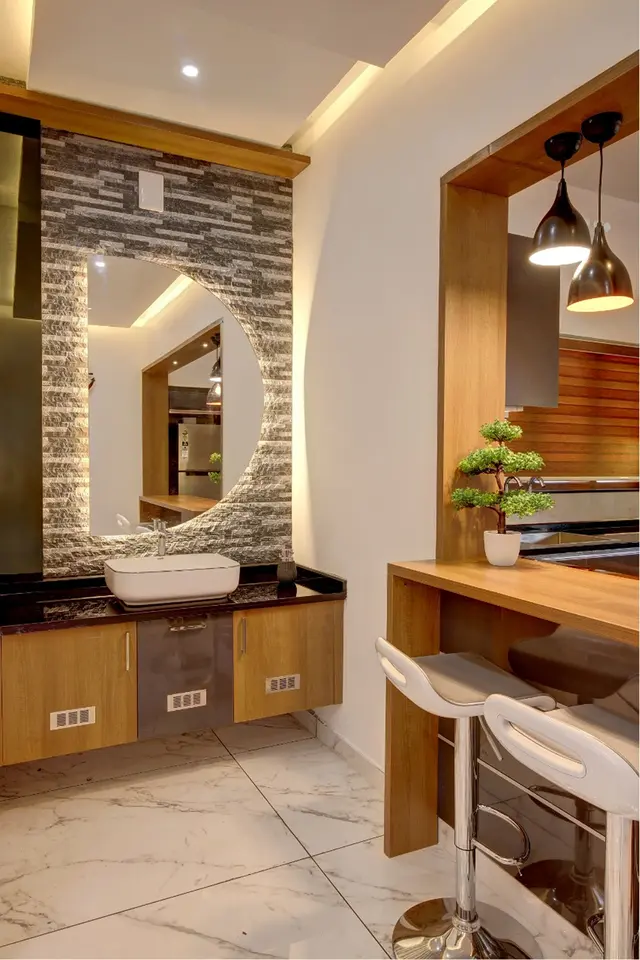
Why we recommend using high-density fiberboard (HDF) and PVC multi-wood bases for under-sink cabinets to protect against water damage.
The bathroom vanity is the most moisture-stressed piece of furniture in any home. It lives in a permanently humid microclimate, is routinely splashed during use, and sits directly above plumbing that occasionally leaks. Yet it is also the piece of furniture most clients want to look beautiful and feel premium. Getting this balance right requires choosing substrate materials with more deliberation than any other interior element.
The Core Problem of Standard MDF in Bathrooms
Standard MDF — the substrate used in most budget and mid-range vanities — begins absorbing moisture from cut edges within days of installation in a bathroom environment. Over 12–18 months, the base of an MDF vanity cabinet in direct contact with a tiled floor will swell, delaminate, and eventually disintegrate. We stopped using standard MDF for bathroom substrates entirely over five years ago, and we have never had a client call us about a failing vanity since.
Moisture-Resistant HDF (Green Core)
Our primary substrate recommendation for vanity carcasses is moisture-resistant HDF (High Density Fiberboard), which carries a green-tinted core that indicates factory-applied moisture inhibitors. It is denser than standard MDF, machines cleanly, and holds edge-banding reliably — critical for achieving the refined look clients expect. All cut edges are additionally sealed with two coats of epoxy primer before assembly, creating a belt-and-sweaters approach to moisture exclusion.
PVC Multi-Wood Board for Wet Zones
For the most exposed zones — the under-sink cabinet interior, the plinth at floor level, and any panel that may experience direct water contact — we specify PVC multi-wood board. This is a cellular PVC composite that looks and machines like wood but is dimensionally stable in complete immersion. It cannot swell, warp, or delaminate. The tradeoff is slightly less rigidity than HDF, which we compensate for with more frequent internal shelf pins and a stronger back panel.
Concealed Stainless Hardware Selection
Hardware selection is equally critical. Standard steel drawer runners corrode in bathroom humidity within a year, causing stiff operation and eventually failure. We specify full-extension soft-close runners in stainless steel or fully electroplated zinc alloy, selected specifically for bathroom use. Hinges for vanity doors should be full-wrap concealed hinges with a rust-resistant coating — exposed butterfly hinges, regardless of their finish, are a liability in wet environments.
The Raised Plinth Design
Finally, the plinth design of the vanity determines its longevity as much as any material choice. A vanity that sits flush to the floor traps water and cleaning detergent underneath the carcass. We design all our vanities with a raised plinth of 80–100mm, allowing a mop or cloth to reach beneath, ensuring that water never pools under the cabinet. It is a detail that adds no visual drama but adds years to the life of the piece — which is precisely the kind of detail that defines the difference between furniture built to sell and furniture built to last.