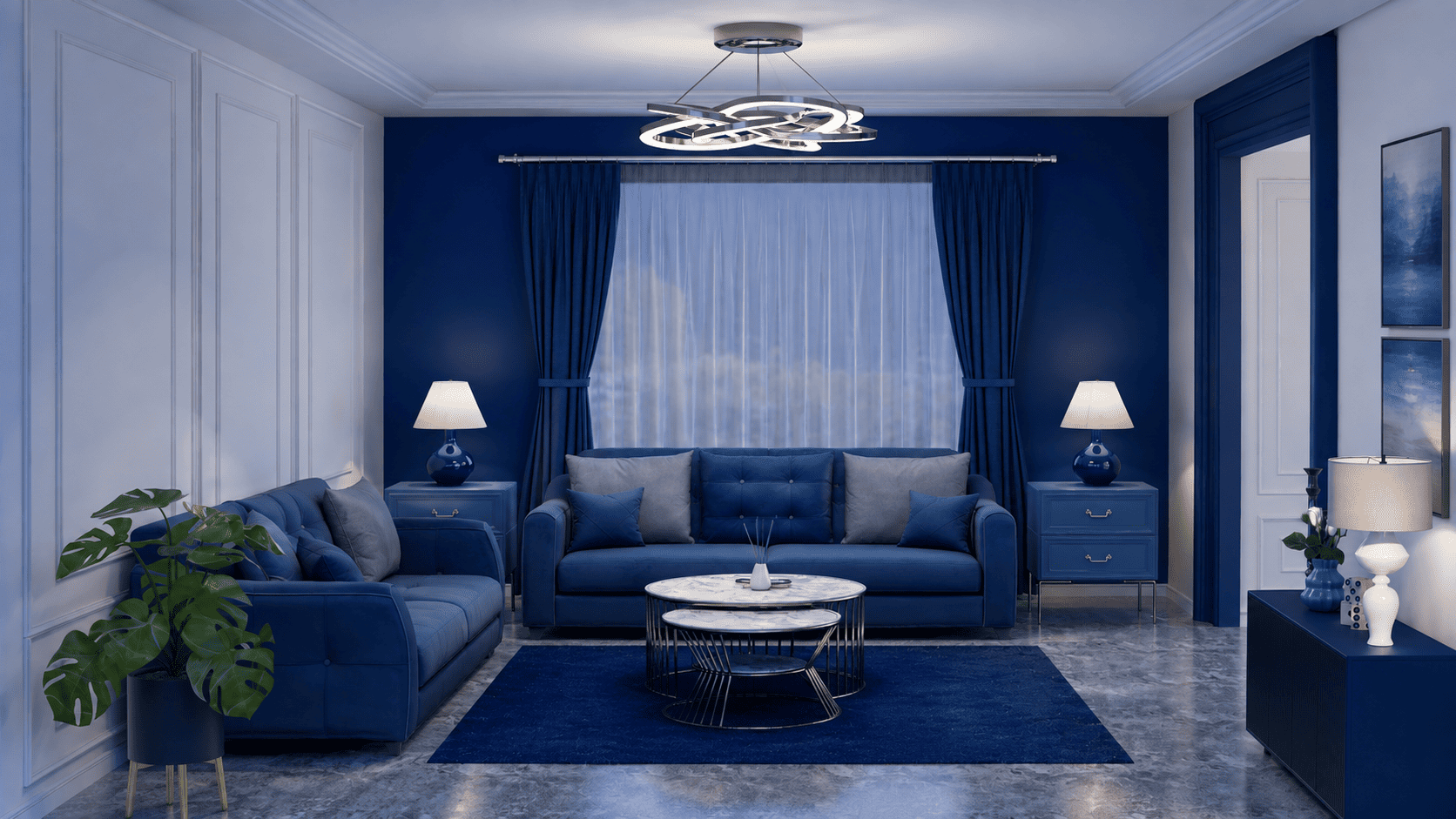
The Role of Ambient and Task Lighting in Contemporary Interiors
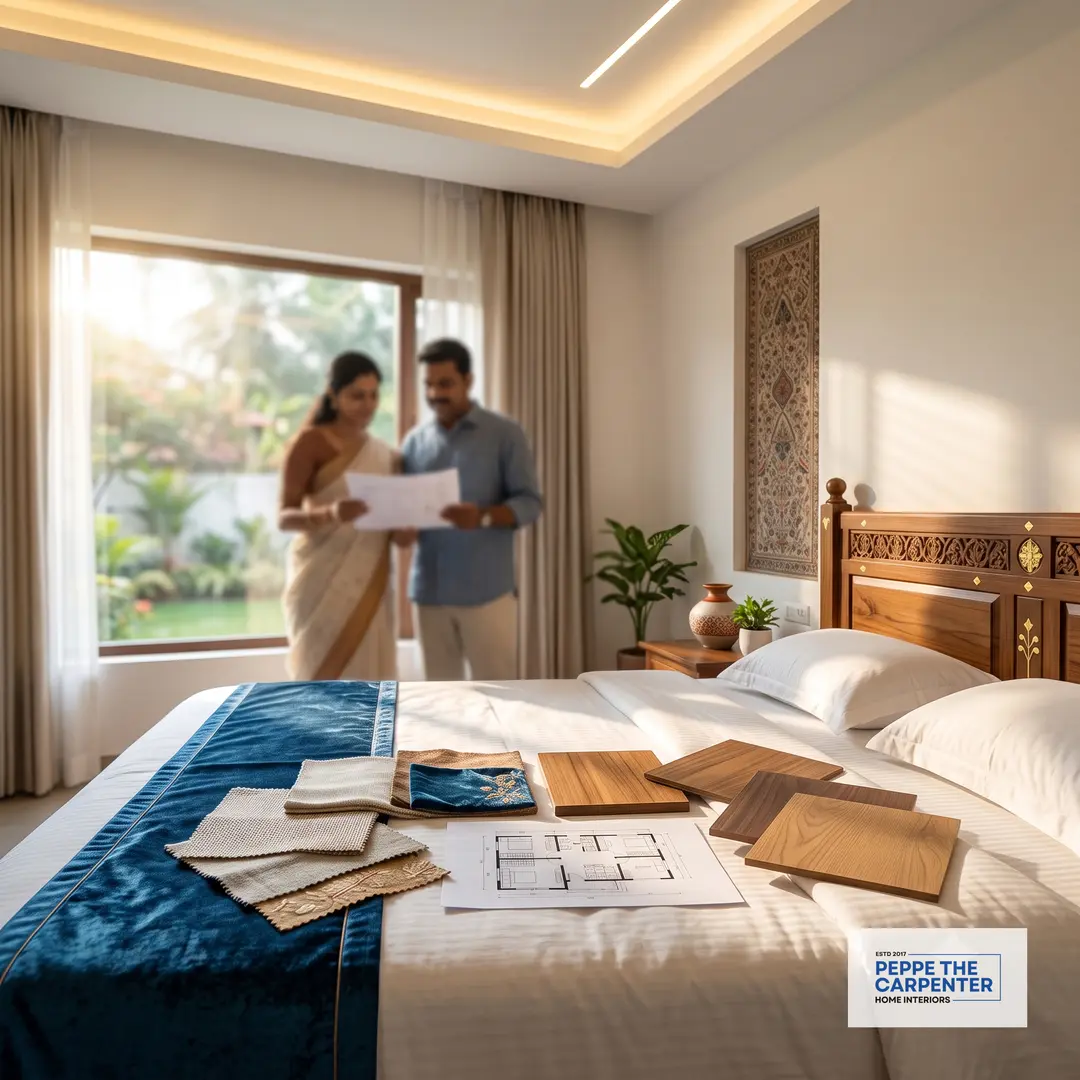
How to layer warm cove lighting, task spotlights, and statement chandeliers to build atmosphere and highlight custom architectural woodwork details.
Lighting is the one element that can transform identical furniture and finishes into two completely different experiences. The same room, lit with flat overhead fluorescents versus a layered system of warm coves and task spots, will feel institutional in the first scenario and genuinely luxurious in the second. Yet lighting is consistently the last thing most homeowners budget for and the first thing they try to cut when costs rise.
Layer One: Ambient Lighting
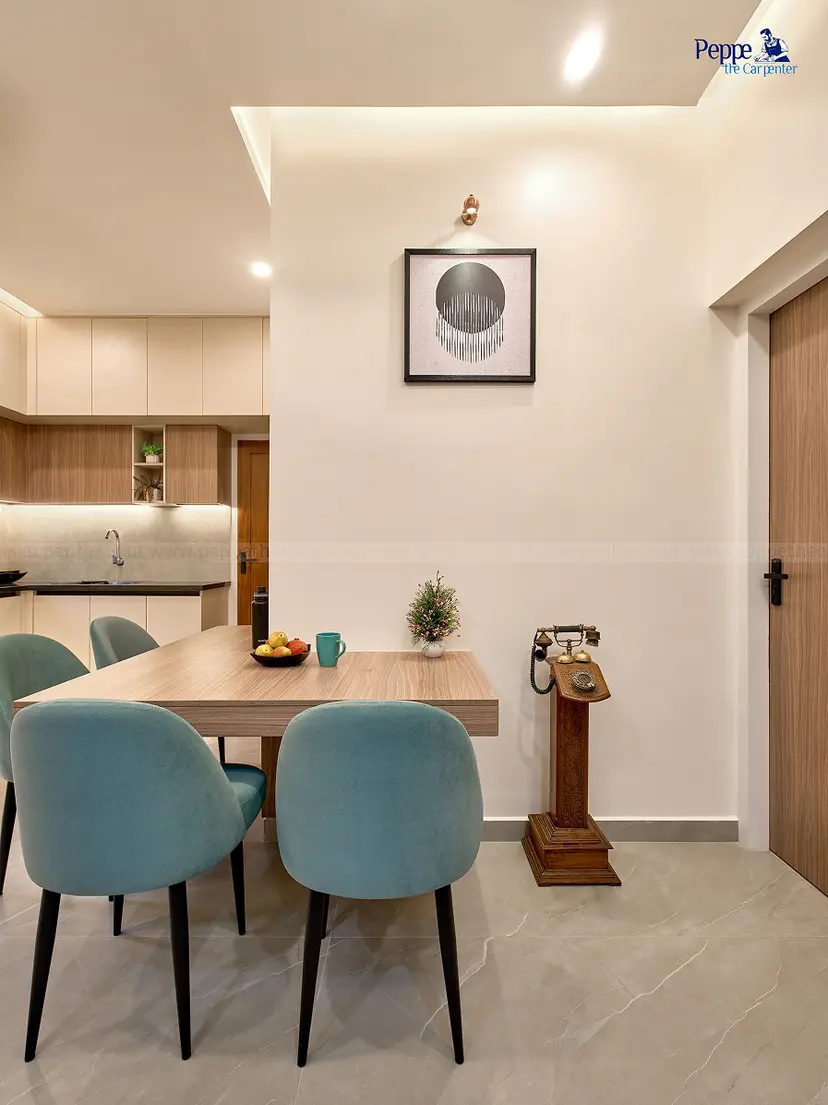
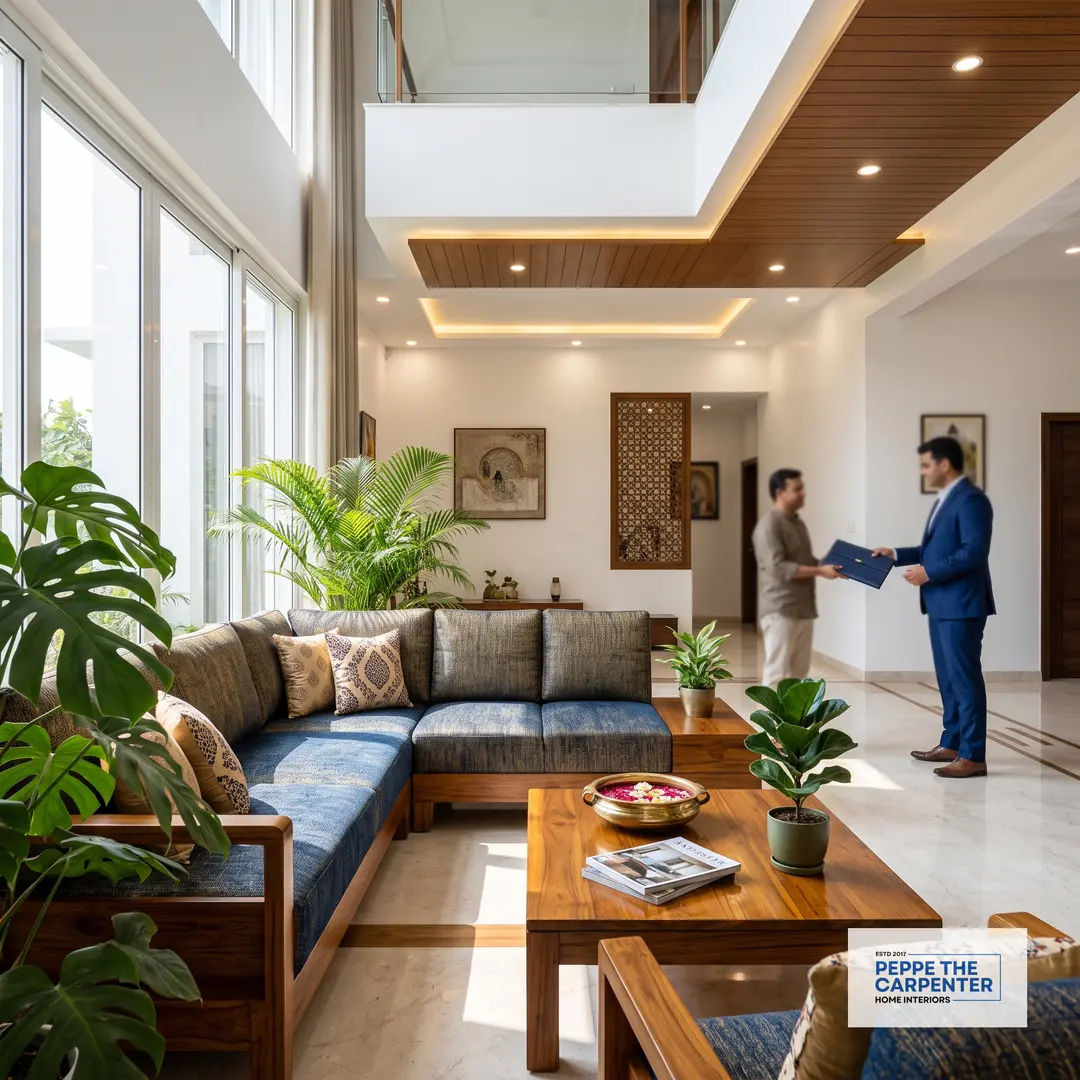
Every interior lighting scheme should address three distinct layers. The first is ambient light — the base level of illumination that allows safe movement through a space without relying on secondary sources. In contemporary interiors, ambient light is best delivered invisibly: LED strips recessed into ceiling coves, or indirect fixtures that wash light upward onto the ceiling plane and reflect it back diffusely. The goal is an even, shadow-free base that feels natural rather than institutional.
Layer Two: Directed Task Lighting
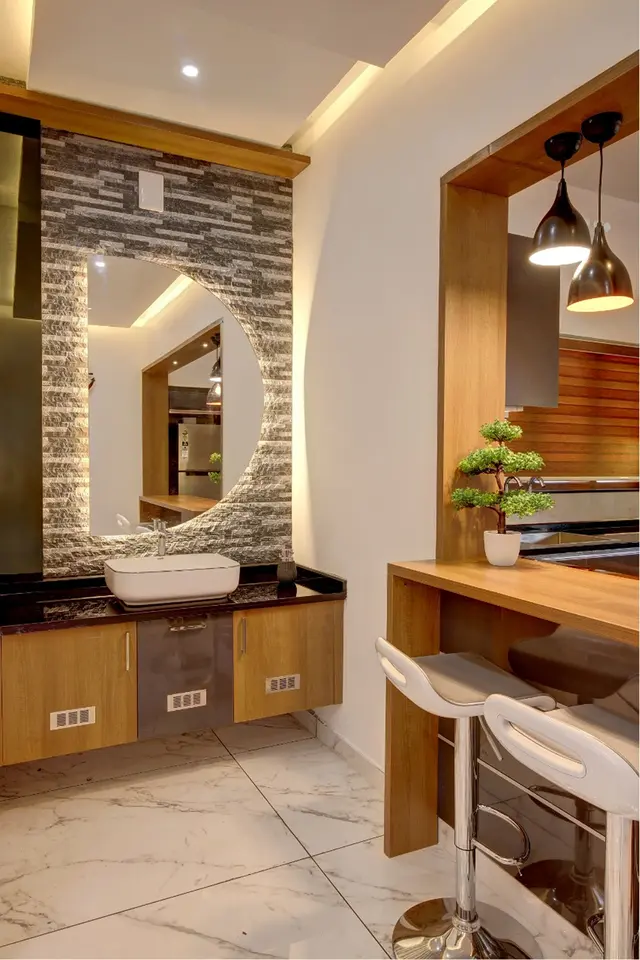
The second layer is task lighting — targeted, stronger illumination at specific points of activity. Reading nooks need a directional source positioned to eliminate shadows cast by the reader's own body. Kitchen counters need under-cabinet strips, not just overhead spots that create shadow where hands and knives meet the cutting board. Bathroom mirrors require lighting positioned at face level on both sides, not above — overhead mirror lighting is a common mistake that creates unflattering shadows for grooming tasks.
Layer Three: Dramatic Accent Lighting
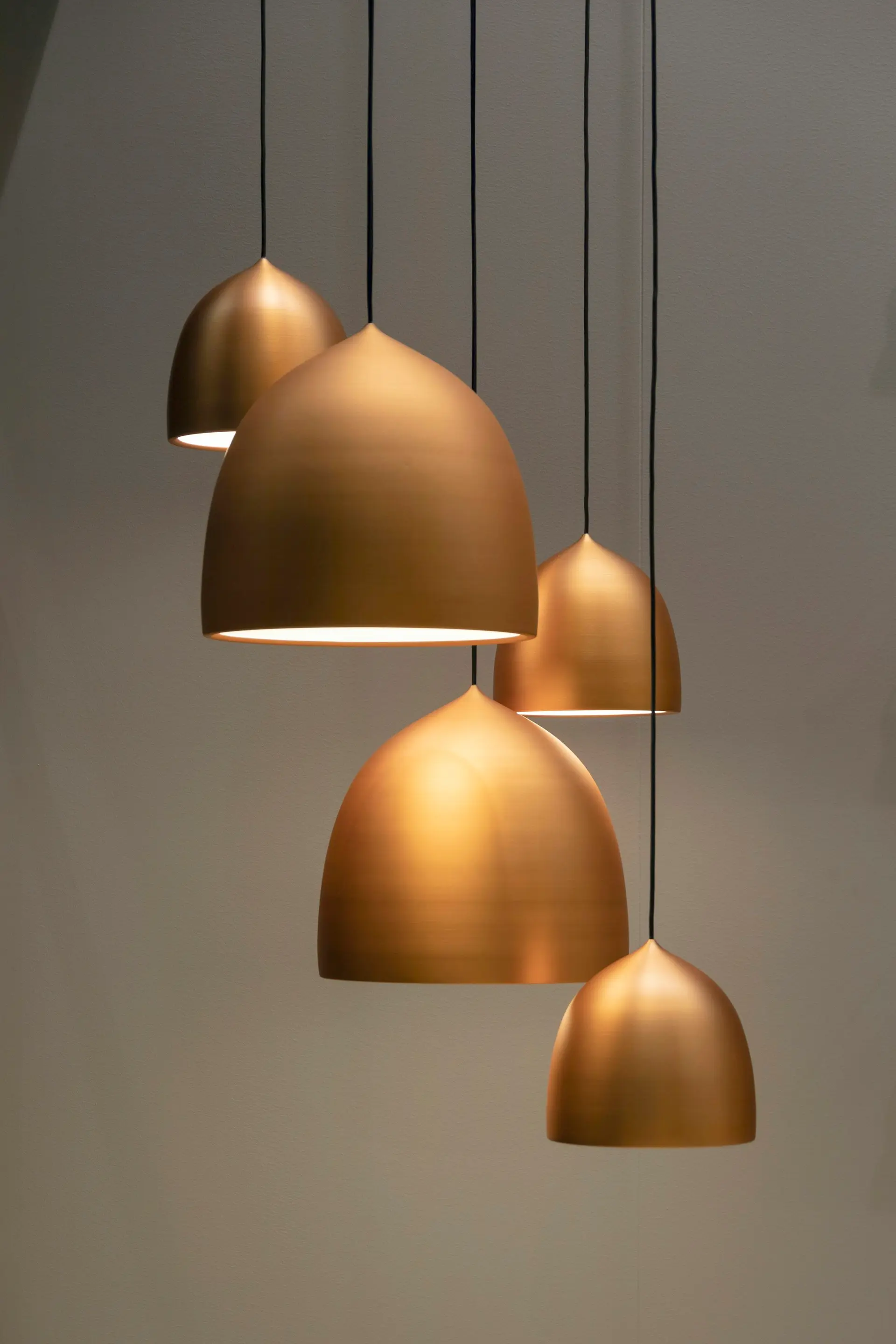
The third and most expressive layer is accent lighting: fixtures or techniques used not primarily for illumination but for visual drama. Grazing a textured stone wall with a narrow beam reveals its relief in a way that overhead ambient light completely flattens. A concealed LED strip running along the underside of a floating timber shelf creates a visual lift that makes the shelf appear weightless. These details are what distinguish a professional interior from one that merely has good furniture.
The Power of Color Temperature
Color temperature deserves more attention than it receives. Warm white at 2700K flatters skin tones and creates a relaxed, intimate atmosphere appropriate for living rooms and bedrooms. Cool white at 4000K improves concentration and colour accuracy, making it better for kitchens, bathrooms, and home offices. Mixing temperatures within a single room without intention creates visual incoherence. Use a consistent temperature per zone, and control the zones separately.
Controlling Mood with Dimming
The most overlooked aspect of a lighting scheme is dimming. A room that can only exist at full brightness has one mood. A room where every circuit can be individually dimmed to any level can adapt from bright and functional at noon to warm and intimate by evening — without moving a single piece of furniture. Budget for dimmer-compatible LED drivers from the start; retrofitting them later is significantly more expensive and disruptive.